
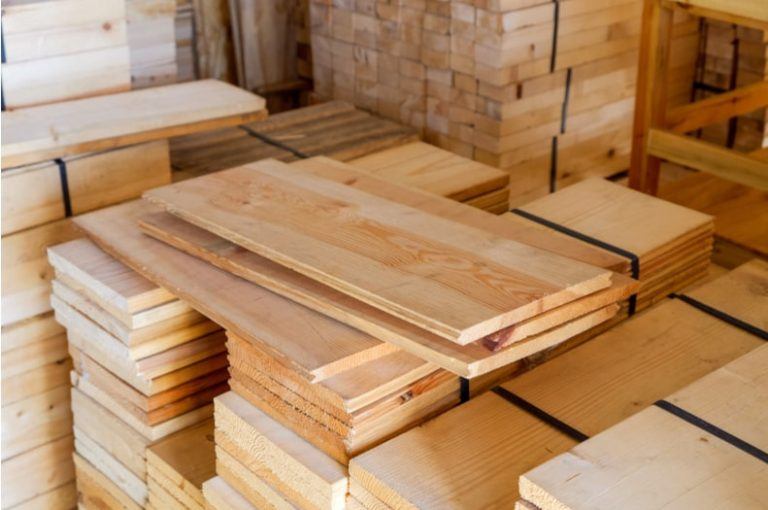
What are the advantages of MDF timber? This guide explains the main benefits of MDF, where it works well, and what you should note before using it for furniture, cabinets, shelving, doors, flooring, and other indoor projects.
Theos Timber offer MDF timber made to measure, with cutting and delivery for Manchester, Liverpool, Stockport, Preston, and the surrounding areas of Lancashire. Read on for more information about choosing the right timber for your project.
What is MDF?
MDF stands for medium density fibreboard. It is an engineered wood product made from wood fibres, resin, and wax. These materials are combined through a manufacturing process that uses heat and pressure to create a dense, flat, and smooth board.
MDF is commonly used as an alternative to solid wood, plywood, and other wood products. Unlike natural wood, MDF does not have a visible wood grain, knots, or uneven areas. This makes it ideal for painting, laminating, and creating a smooth finish on furniture, cabinetry, shelving, and decorative panels.
MDF boards are made in a wide range of thicknesses. This gives good versatility, as you can choose the right thickness for kitchen cabinets, wardrobes, shelves, doors, mouldings, and many other applications.
What Is MDF Made of?
MDF, or medium density fibreboard, is made by breaking down hardwood and softwood into fine wood fibres. These fibres are then mixed with resin, wax, and water before being pressed into panels under high heat and pressure.
A typical MDF board contains a high amount of recycled wood fibres, along with urea formaldehyde resin glue and paraffin wax. This process makes MDF a strong and consistent material with a smooth surface.
Because MDF is manufactured rather than cut from one piece of real wood, it offers a more even appearance. It also makes better use of leftover wood materials, which can improve the use of timber resources during production.
What are the Advantages of MDF?
One of the main advantages of MDF is its smooth surface. MDF does not have the knots, grain, or rough areas found in natural wood. This makes it perfect for painting because the paint can sit evenly across the surface. When sealed and prepared properly, painted MDF can give a high quality finish that is clean, flat, and modern.
MDF is also a cost effective choice. It is usually less expensive than solid wood and many hardwood options such as oak. It can also be more affordable than some plywood products, depending on the grade, thickness, and finish required. This makes it a popular choice for furniture, cabinets, shelving, and home improvement projects where appearance and budget both matter.
Another benefit is ease of cutting. MDF boards can be cut, shaped, routed, and drilled with good accuracy. The lack of grain makes cutting easier, and there is less risk of splintering than with some natural wood materials. This is useful for detailed work, such as cabinet doors, skirting boards, mouldings, and decorative panels.
MDF also offers good consistency. Each board has a similar density across the full sheet, which helps when working on a project that needs a neat and even result. This consistency makes it suitable for repeat work, such as fitted furniture, shelving, and cabinetry where several matching pieces are needed.
MDF Is A Versatile Material
MDF offers many benefits because it can be used in a wide range of indoor applications. It is commonly used for kitchen cabinets, bedroom wardrobes, shelving, internal doors, wall panels, furniture, and decorative mouldings. MDF sheets can also be used for laminating and veneering, giving the look of real wood at a lower cost.
Its versatility makes it ideal for both simple and detailed projects. On one hand, it can be used for basic shelves or storage units. On the other hand, it can be shaped into detailed profiles for doors, panels, and mouldings. This makes MDF a suitable option for both practical and decorative work.
MDF panels are also useful when a smooth, painted finish is more important than showing a natural wood grain. For example, if you want painted kitchen cabinets or fitted wardrobes with a clean appearance, MDF can be a strong choice.
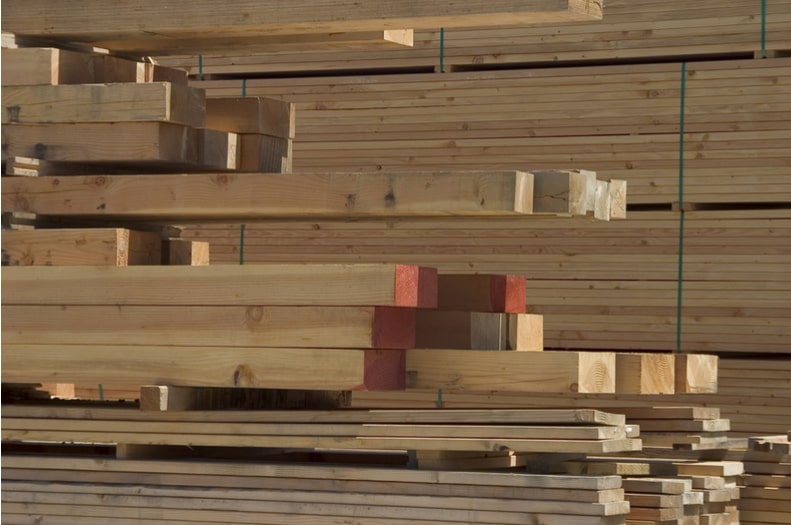
MDF Is Good For Painting And Finishing
MDF is often chosen because it is easy to paint. Its smooth surface gives paint a clean base, and its flat appearance helps achieve a smart finish. Unlike solid wood, MDF does not have grain that can show through the paint. This can make the finished surface look more even.
Before painting, it is important to seal the edges. MDF edges are more absorbent than the main face of the board, so they can soak up paint quickly. A suitable primer or sealer will help create a better finish and reduce roughness around the edges.
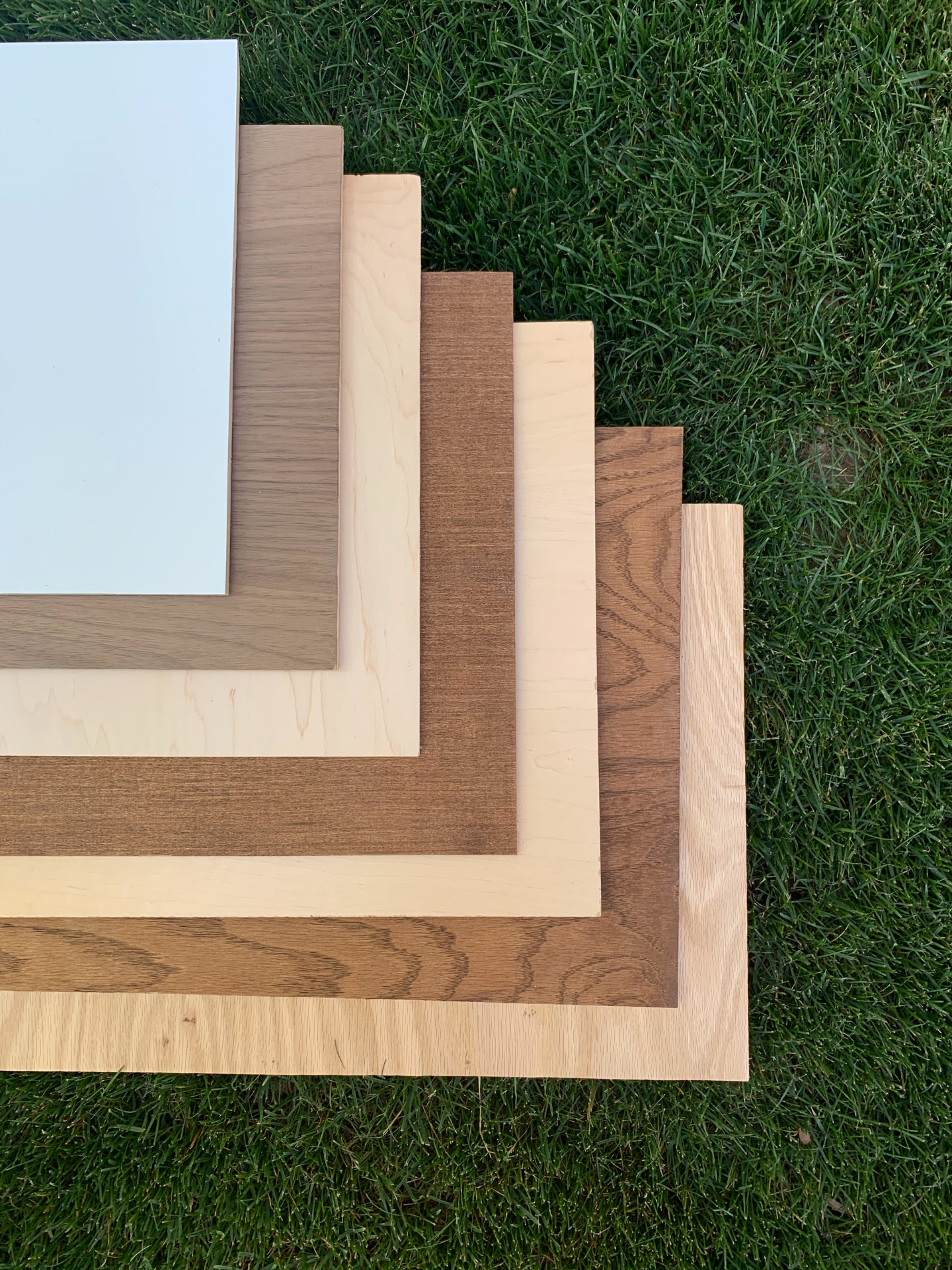
MDF can also be covered with veneer, laminate, or other finishes. This gives a wider range of design options. It can be made to look like natural wood, or it can be finished in a painted colour to match the rest of a room.
MDF Is Dense And Stable
MDF is a dense engineered wood material. This density helps it feel solid in the hand and gives it a stable structure for many indoor uses. It is less likely to warp than some natural wood because it does not have a natural grain direction.
This stability is one of the benefits of MDF for cabinets, doors, and furniture panels. Solid wood can move over time as humidity changes, which may cause warping or splitting. MDF is more uniform, so it is often a good choice in areas where a flat and consistent surface is needed.
However, it is important to note that MDF can still be affected by water, moisture, and high humidity. Standard MDF should not be used in wet areas unless it is properly sealed or a moisture resistant type is chosen.
MDF And Moisture Resistance
Standard MDF is susceptible to moisture damage. If it is exposed to water for too long, it can swell, soften, and lose strength. This is one of the main disadvantages of MDF, especially when compared with some plywood or treated wood products.
For areas such as kitchens, bathrooms, or utility rooms, moisture resistant MDF may be a better option. This type is made to cope better with damp conditions, although it still needs care and should not be left exposed to standing water.
If MDF is used near sinks, appliances, or areas with high humidity, all surfaces and edges should be sealed properly. This helps improve durability and reduces the risk of swelling over time.
MDF Compared With Solid Wood And Plywood
MDF, solid wood, and plywood each have different strengths. Solid wood has a natural appearance, visible wood grain, and can often be stained to show its character. It is strong and durable, but it can be more expensive and may warp or move with changes in humidity.
Plywood is made from thin layers of wood bonded together. It is often strong for its weight and can hold screws well. It may be better than MDF for some structural uses, flooring, or areas where strength and moisture resistance are important.
MDF is often the best choice when you need a smooth surface, clean painted finish, and affordable material. It is especially useful for cabinetry, shelves, furniture, and decorative work. MDF vs plywood often depends on the project. MDF is ideal for painting and detailed cutting, while plywood can be better where strength, screw holding, or moisture resistance is more important.
MDF Is Suitable For Cabinets And Shelving
MDF is widely used for cabinets because it has a flat, smooth surface and is easy to work with. It is commonly used for kitchen cabinets, cupboard doors, wardrobes, and fitted furniture. The material can be cut to size, shaped, and painted to suit a wide variety of room styles.
For shelving, MDF can work well when the correct thickness is chosen. It is important to consider the weight the shelves will hold. Thicker MDF boards are usually better for shelves, especially if the shelf is wide. Long shelves may need support underneath to prevent sagging over time.
Screws and nails can be used with MDF, but care is needed. Pilot holes are often recommended because they reduce the risk of splitting or raised fibres. MDF can hold screws well on the face, but the edges are more likely to break or split if fixings are not used correctly.
MDF Is Easy To Cut And Shape
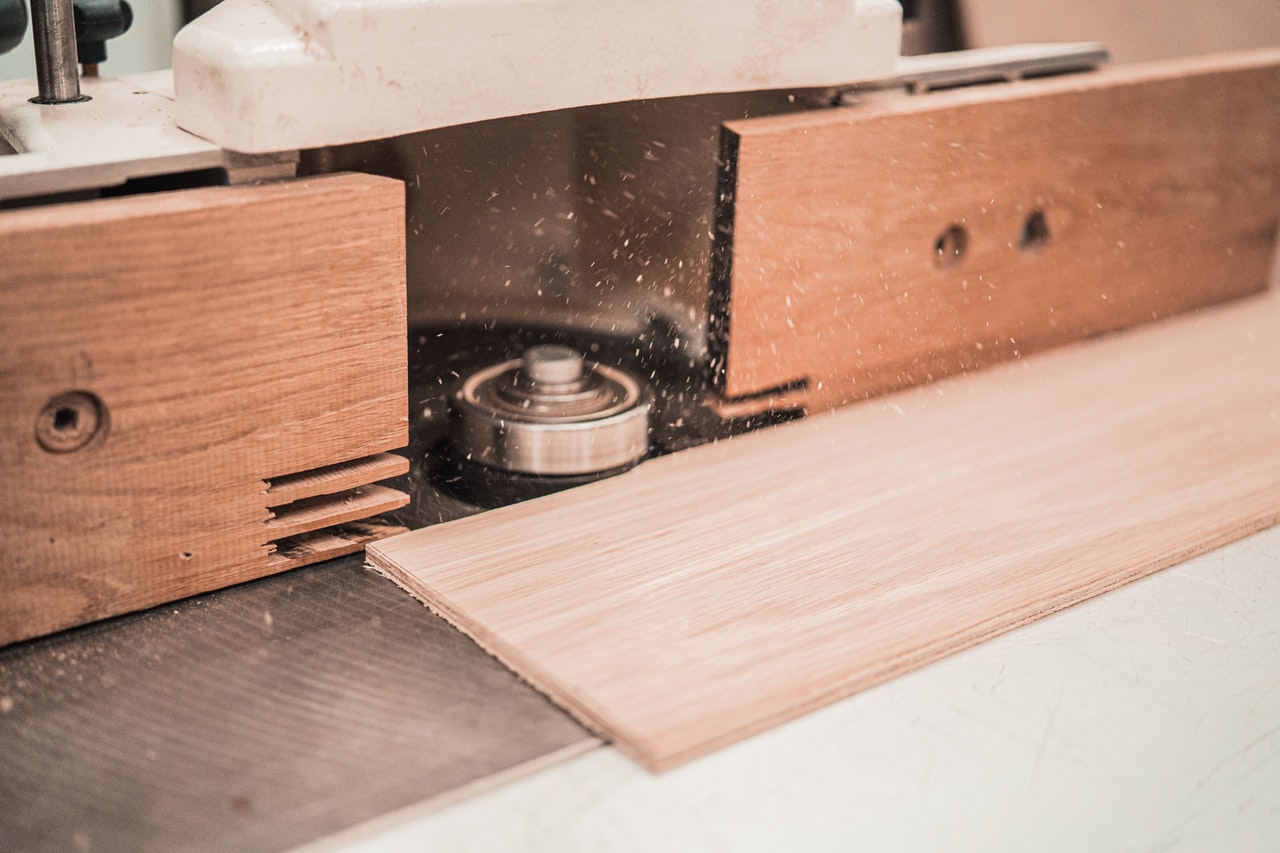
MDF is a good material for detailed cutting and shaping. Because it has no grain, knots, or uneven areas, it cuts in a predictable way. This makes it suitable for routed edges, shaped doors, panels, mouldings, and other detailed applications.
When cutting MDF, it is important to use sharp tools and work carefully. MDF can create fine dust, so suitable protection and good ventilation are important. Dust extraction should be used where possible, especially when cutting or sanding large amounts of board.
The smooth and dense structure of MDF makes it useful for professional joinery and home projects. It can be worked quickly and easily, but care should always be taken to avoid damage to the surface and edges.
MDF Can Help Create A High Quality Appearance
MDF is often used where a clean and consistent look is needed. It does not have the natural differences found in wood grain, so it gives a more uniform appearance. This is helpful for painted furniture, modern cabinets, internal doors, and smooth wall panels.
Because MDF can be painted, laminated, or veneered, it offers a wide range of finishes. It can be made to look simple and modern, or it can be finished with a wood effect surface for a more traditional style. This flexibility makes it a popular choice for many home and commercial projects.
Is MDF Durable?
MDF can be durable when used in the right way. It is strong enough for many indoor furniture and cabinetry projects. Its dense structure gives it good stability, and it can last for a long time when kept dry and properly finished.
However, MDF is not the best material for every use. It should not be exposed to water unless it is moisture resistant and well sealed. It can also be damaged by heavy impact, and once the surface is badly damaged, it is harder to repair than solid wood.
For the best durability, choose the correct board thickness, seal the edges, avoid overloading shelves, and keep MDF away from direct water and excessive heat.
Environmental Benefits Of MDF
MDF can make use of recycled wood and leftover wood fibres from other manufacturing processes. This can reduce waste and make better use of available timber materials. It also means that MDF boards can offer a more affordable option than some natural wood products.
However, it is important to consider resin and formaldehyde content. Some MDF products contain urea formaldehyde, which can release volatile organic compounds. Many modern MDF boards are made to meet lower emission standards, and low formaldehyde options are available.
When choosing MDF, it is worth checking product information so you know what type of board you are buying. This is especially important for furniture, cabinets, and indoor areas where air quality matters.
The Disadvantages Of MDF
Although there are many advantages of MDF, there are also disadvantages of MDF to consider. Standard MDF can swell when exposed to water or moisture. It is also heavier than many people expect, which can make large sheets harder to move, cut, and install.
MDF can be damaged more easily than solid wood if it is hit hard or exposed to water. Its surface is smooth, but once damaged, it can be difficult to repair neatly. Unlike real wood, it cannot always be sanded back deeply because the inner fibres may become exposed.
MDF can also struggle with heavy loads if the correct thickness or support is not used. Shelves may sag over time if they are too long or if too much pressure is placed on them. For heavy duty projects, plywood, hardwood, or a frame with extra support may be a better choice.
MDF And Heat
MDF should not be placed too close to strong heat sources. High heat can affect the resin and wax in the board, and this may cause damage over time. It is best to avoid using MDF directly beside stoves, fireplaces, or other high heat areas unless the product is suitable for that use and properly protected.
Heat and moisture can both reduce the life of MDF. For this reason, it is best used indoors in dry areas where temperature and humidity are controlled.
Recommended uses of MDF
MDF is used in many indoor projects because it is affordable, smooth, and easy to finish. It is a good option for painted furniture, cabinets, shelves, internal doors, wall panels, skirting boards, architraves, and decorative mouldings.
It is especially useful when a project needs a smooth painted surface rather than a natural wood grain. MDF is also suitable for fitted furniture where several pieces need to match in appearance and thickness.
For flooring or structural applications, it is important to choose the right material for the job. MDF may not be suitable for all flooring uses, especially in areas exposed to moisture or heavy wear. Always check the grade, thickness, and intended use before starting work.
Frequently Asked Questions About MDF
MDF is not always better than solid wood, but it can be better for certain projects. MDF is ideal for painting, smooth cabinet doors, shelving, and decorative panels. Solid wood is better when you want natural wood grain, high strength, and a stained finish.
MDF can be stained, but it does not stain in the same way as natural wood because it has no real wood grain. It is usually better to paint MDF or apply a veneer if you want the appearance of real wood.
MDF is less likely to warp than some natural wood because it has a consistent structure. However, it can still swell, warp, or become damaged if exposed to moisture, water, or high humidity.
MDF is commonly used for kitchen cabinets and cabinet doors. It is a popular choice because it has a smooth surface, can be painted well, and offers good value. In kitchens, moisture resistant MDF is often a better choice than standard MDF.
Screws can hold in MDF, especially when fixed into the face of the board. The edges are more likely to split, so pilot holes should be used. It is also important not to overtighten screws, as this can damage the material.
Advantages Of MDF Timber: Final Thoughts
MDF offers many benefits for indoor projects. It is affordable, smooth, dense, versatile, and easy to cut, making it ideal for furniture, cabinets, shelving, doors, and decorative work. It is a strong choice when you want a clean painted finish and a consistent appearance.
However, MDF is not suitable for every project. It can be susceptible to moisture, may swell if exposed to water, and needs care when using screws, nails, and heavy loads. By choosing the right type, thickness, and finish, MDF can be a durable and cost effective material for a wide range of home and trade applications.
Are you looking for MDF timber delivery in Manchester and the surrounding areas? We offer a range of timber cut to size for Manchester, Liverpool, Preston, Oldham, Stockport, Warrington and the surrounding areas.